Video walkthrough
Watch the route, then match the frames
Video references
Watch or inspect the route before you dive
Click YouTube cards to load the player. Open frame cards to compare local screenshot notes. Use the evidence to confirm landmarks, movement, and encounter pacing, then follow the written checklist below.
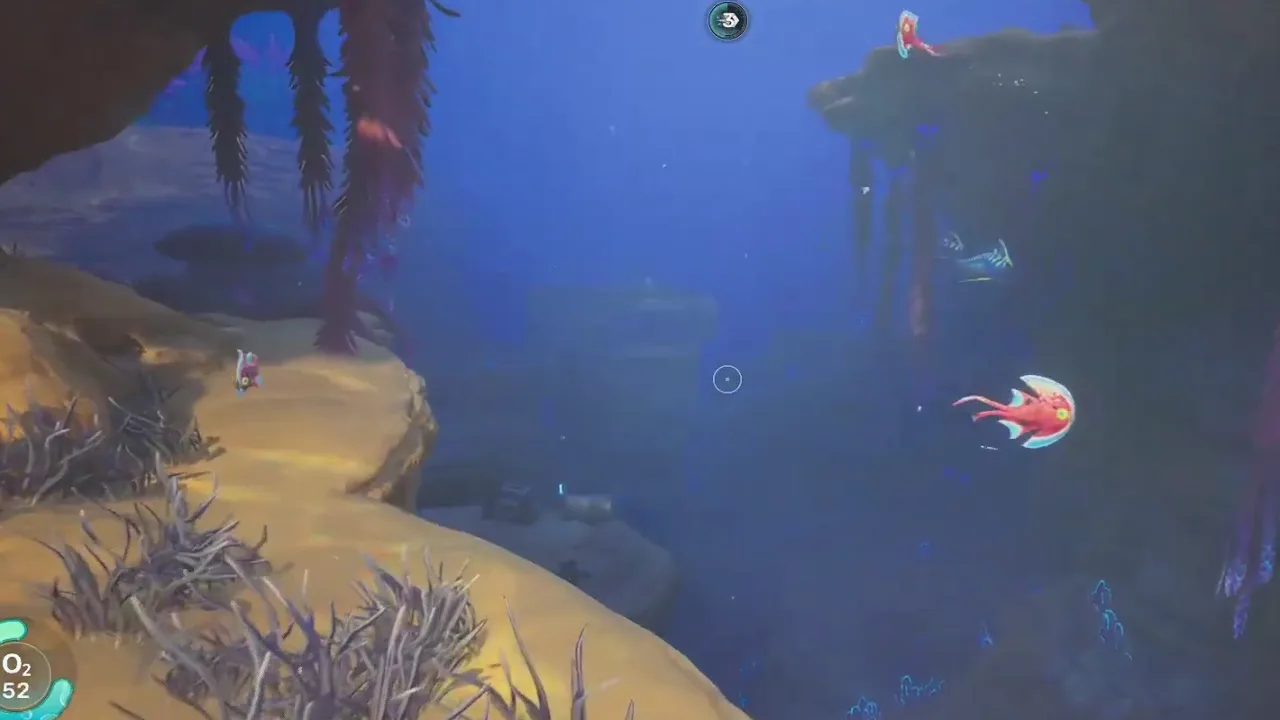
Survival material route context for Salt
Watch for: Food and water prep, short gather loops, oxygen timing, and avoiding survival-material overfarming.
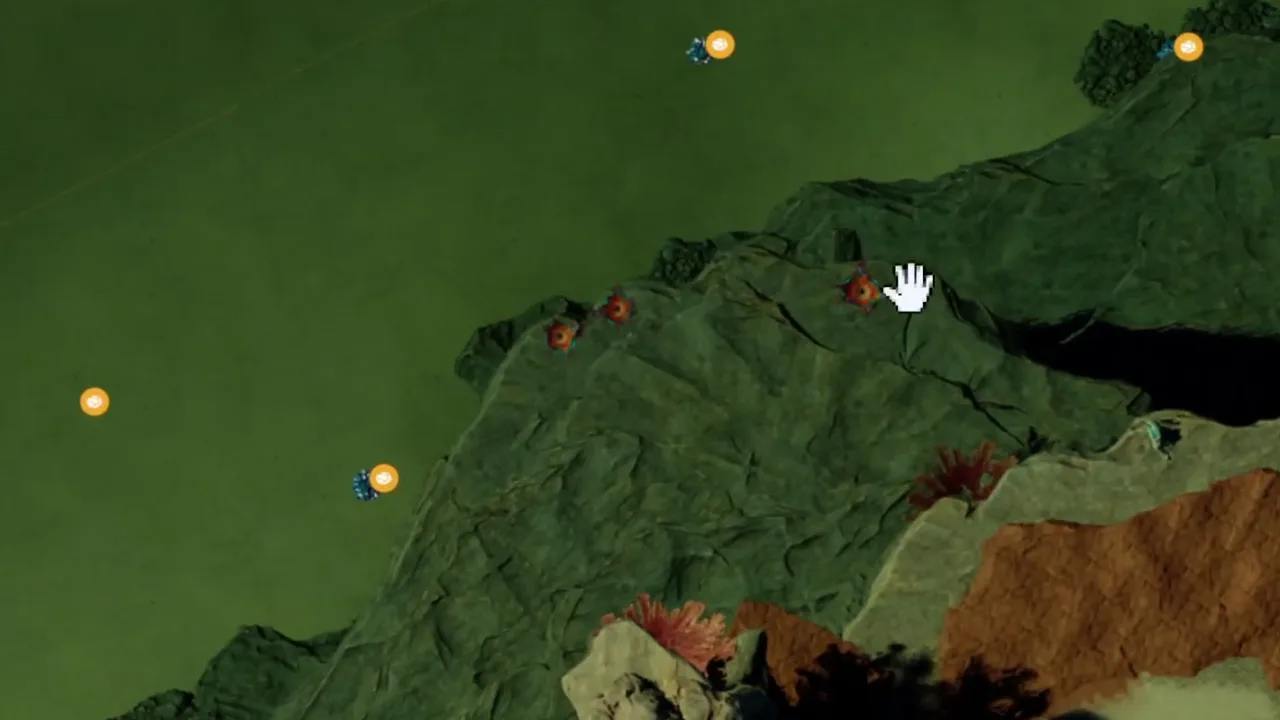
Return path frame review
Watch for: Start with Survival material route / Salt location guide at 01:23. Compare the screenshot cue, route note, and player action before following the guide in-game.
Route band frame review
Watch for: Start with Survival material route / Salt location guide at 00:21. Compare the screenshot cue, route note, and player action before following the guide in-game.
Video watch notes
What to pause, compare, and write down
Do not watch the video like entertainment only. Use these notes as a second-screen checklist: pause on landmarks, confirm the player action, then return to the written route.
Watchlist
Pause on Material pocket and identify the landmark, depth band, or objective state before following the next step.
Use Return path to confirm what changed; if the video only shows a close-up, rebuild the route from the previous landmark.
Treat Route band as the exit rule: finish the objective, return, and update storage or crafting before adding side goals.
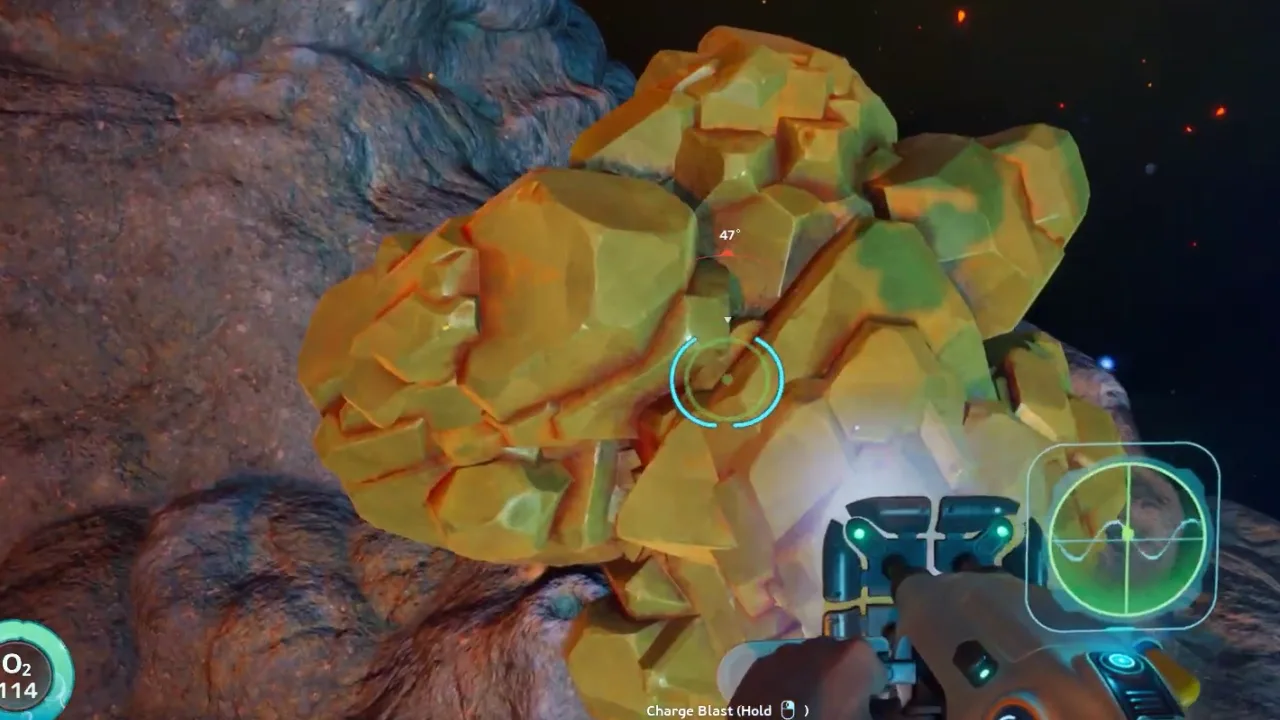
Material pocket
A short material pocket is enough when Salt is supporting food, water, or a recipe.
Action: Check whether Salt is needed for the next survival or crafting step.
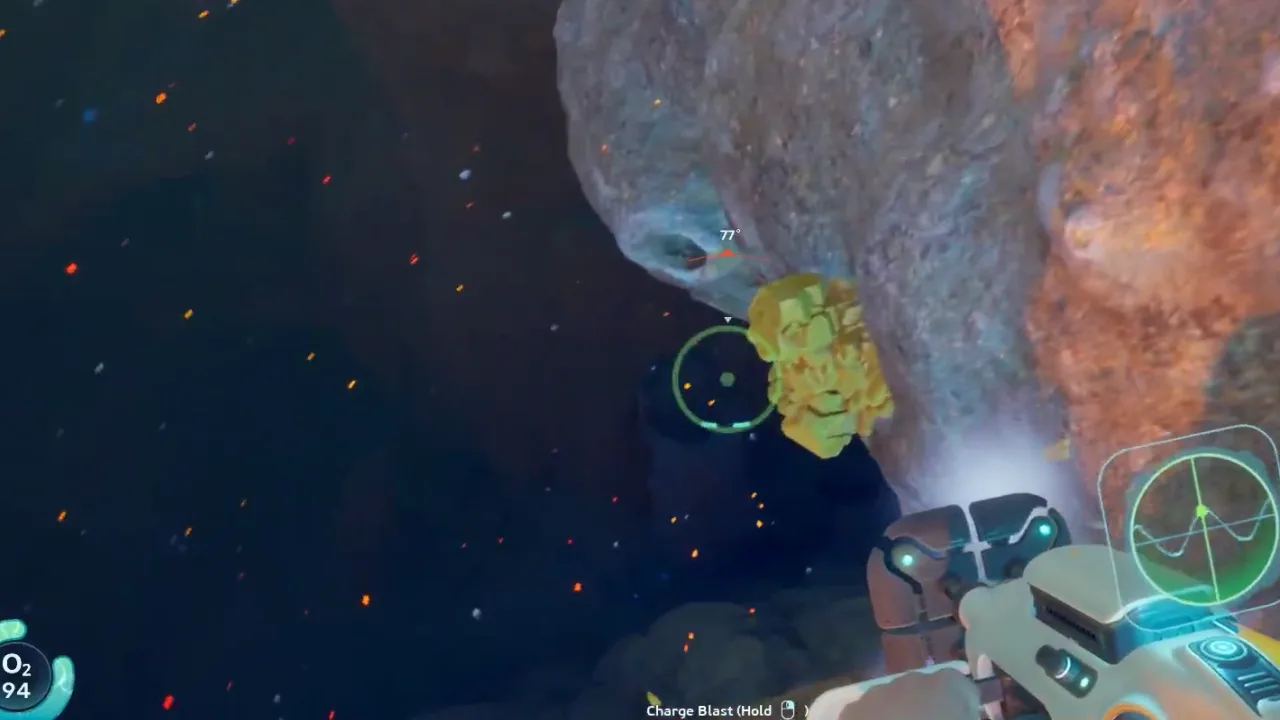
Return path
Return path proof keeps a common-material trip from interrupting the real objective.
Action: Use a short visible route instead of adding Salt to a deep objective run.
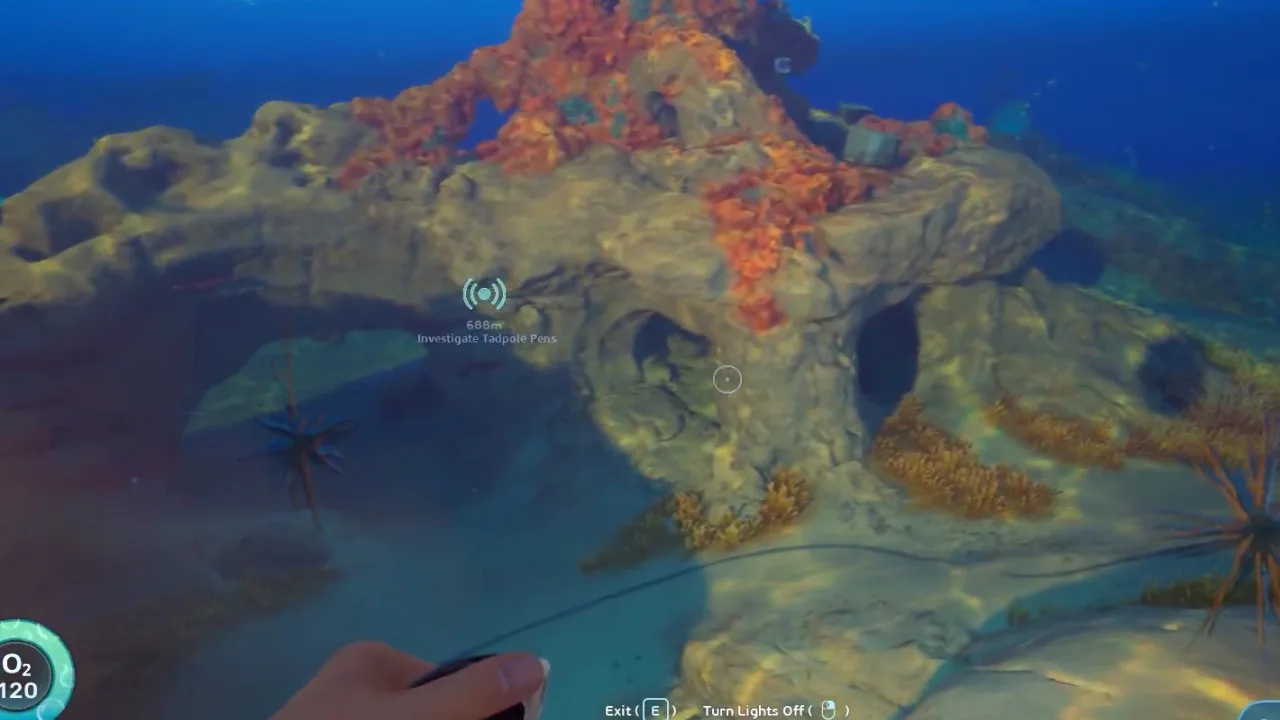
Route band
Start survival-material routes from a visible band so they stay repeatable.
Action: Collect the target count and avoid filling every slot with common materials.
Video route timeline
Turn the video into playable checkpoints
Use this section like a second-screen route sheet. Open each checkpoint, compare the frame, do the action, then stop if your route no longer matches the video evidence. It keeps the guide useful even when Early Access shifts small placements or creature behavior.
01:02Checkpoint 1: Check whether Salt is needed for the next survival or crafting step.A short material pocket is enough when Salt is supporting food, water, or a recipe.Expand
Material pocket
A short material pocket is enough when Salt is supporting food, water, or a recipe.
Player action
Check whether Salt is needed for the next survival or crafting step.
Proof before moving on
A short material pocket is enough when Salt is supporting food, water, or a recipe.
Watch this timestampIf this fails
Reset to the last confirmed landmark or objective state, then repeat only the route-critical step.
01:23Checkpoint 2: Use a short visible route instead of adding Salt to a deep objective run.Return path proof keeps a common-material trip from interrupting the real objective.Expand
Return path
Return path proof keeps a common-material trip from interrupting the real objective.
Player action
Use a short visible route instead of adding Salt to a deep objective run.
Proof before moving on
Return path proof keeps a common-material trip from interrupting the real objective.
Watch this timestampIf this fails
Use the video frame as evidence, but record entry, proof, and exit as separate notes.
00:21Checkpoint 3: Collect the target count and avoid filling every slot with common materials.Start survival-material routes from a visible band so they stay repeatable.Expand
Route band
Start survival-material routes from a visible band so they stay repeatable.
Player action
Collect the target count and avoid filling every slot with common materials.
Proof before moving on
Start survival-material routes from a visible band so they stay repeatable.
Watch this timestampIf this fails
Return, craft, sort storage, or retest the route before turning this page into a longer objective chain.
01:02Checkpoint 4: Return, craft, cook, or store before the next exploration route.A short material pocket is enough when Salt is supporting food, water, or a recipe.Expand
Material pocket
A short material pocket is enough when Salt is supporting food, water, or a recipe.
Player action
Return, craft, cook, or store before the next exploration route.
Proof before moving on
A short material pocket is enough when Salt is supporting food, water, or a recipe.
Watch this timestampIf this fails
Reset to the last confirmed landmark or objective state, then repeat only the route-critical step.
Gameplay evidence
Screenshots to match before you keep swimming
Use these frames as visual checkpoints. If the terrain, lighting, or landmark does not match, slow down and re-check the route instead of forcing the next step.
Material pocket
A short material pocket is enough when Salt is supporting food, water, or a recipe.
Return path
Return path proof keeps a common-material trip from interrupting the real objective.
Route band
Start survival-material routes from a visible band so they stay repeatable.
Route decision lab
Decide if this route is worth running now
This section turns the video into a practical in-game decision. Use it before leaving base, after the first landmark, and again before entering a deeper or darker area.
Route purpose
Use Salt as a survival-support route: gather it when food, water, or a recipe asks for it, keep the loop short, and return before basic prep delays real progression.
Visual checkpoint
A short material pocket is enough when Salt is supporting food, water, or a recipe.
Map anchor
Salt Survival Prep Loop in Survival material pocket. Use it for use this when salt supports the next route, not as a reason to delay progression.
Abort rule
Treating Salt as the objective when progression needs tools or fragments.
Field manual translation
Use Salt as a survival-support route: gather it when food, water, or a recipe asks for it, keep the loop short, and return before basic prep delays real progression. Use this resource route manual as a second-screen checklist: identify the entry condition, confirm the objective with a visual proof point, then stop when the return rule is met. This keeps the article practical for Early Access patches without pretending every coordinate or state is final.
Primary job
Salt - Check whether Salt is needed for the next survival or crafting step.
Best entry habit
Food or water plan - Use a short visible route instead of adding Salt to a deep objective run.
Stop condition
Treating Salt as the objective when progression needs tools or fragments. - Collect the target count and avoid filling every slot with common materials.
Patch-safe reading
Exact item positions can shift during Early Access. The useful part of this page is the route logic: what to prepare, what visual cue to confirm, what objective to finish, and when to turn back.
Updated
2026-06-12 / tracking / Early Access
What this guide covers
Requirements
- Food or water plan
- Short route
- Storage slot
Use this if
You want a route you can follow from video evidence without needing exact official coordinates. The screenshots and steps are written to help you recognize areas, landmarks, and decisions while playing.
Early Access can move details. Treat this as a video-based walkthrough and verify landmarks in your own build.
Step-by-step walkthrough
Follow the video route without guessing
Check whether Salt is needed for the next survival or crafting step.
Use this step as a route checkpoint, not as a promise that every object spawns in one exact coordinate. Match the landmark, compare the screenshot, then continue only if the return path is still clear.
If your game build looks different, stay with the same decision: keep oxygen safe, scan or collect the current blocker, and return before pushing into the next unknown area.
A short material pocket is enough when Salt is supporting food, water, or a recipe.
Use a short visible route instead of adding Salt to a deep objective run.
Use this step as a route checkpoint, not as a promise that every object spawns in one exact coordinate. Match the landmark, compare the screenshot, then continue only if the return path is still clear.
If your game build looks different, stay with the same decision: keep oxygen safe, scan or collect the current blocker, and return before pushing into the next unknown area.
Return path proof keeps a common-material trip from interrupting the real objective.
Collect the target count and avoid filling every slot with common materials.
Use this step as a route checkpoint, not as a promise that every object spawns in one exact coordinate. Match the landmark, compare the screenshot, then continue only if the return path is still clear.
If your game build looks different, stay with the same decision: keep oxygen safe, scan or collect the current blocker, and return before pushing into the next unknown area.
Start survival-material routes from a visible band so they stay repeatable.
Return, craft, cook, or store before the next exploration route.
Use this step as a route checkpoint, not as a promise that every object spawns in one exact coordinate. Match the landmark, compare the screenshot, then continue only if the return path is still clear.
If your game build looks different, stay with the same decision: keep oxygen safe, scan or collect the current blocker, and return before pushing into the next unknown area.
A short material pocket is enough when Salt is supporting food, water, or a recipe.
After-action plan
What to do after the guide works
Bank the result
Return, craft, cook, or store before the next exploration route.
Clean the inventory
Move route-critical materials into labeled storage so the next dive starts with empty space and a clear job.
Pick the next guide
Survival habits for oxygen timers, inventory pressure, food, water, and route discipline in Subnautica 2.
Next route queue
Use these as the next blockers to solve after this route. Each queue card keeps the same evidence style: source video, gameplay frames, and a written checklist.
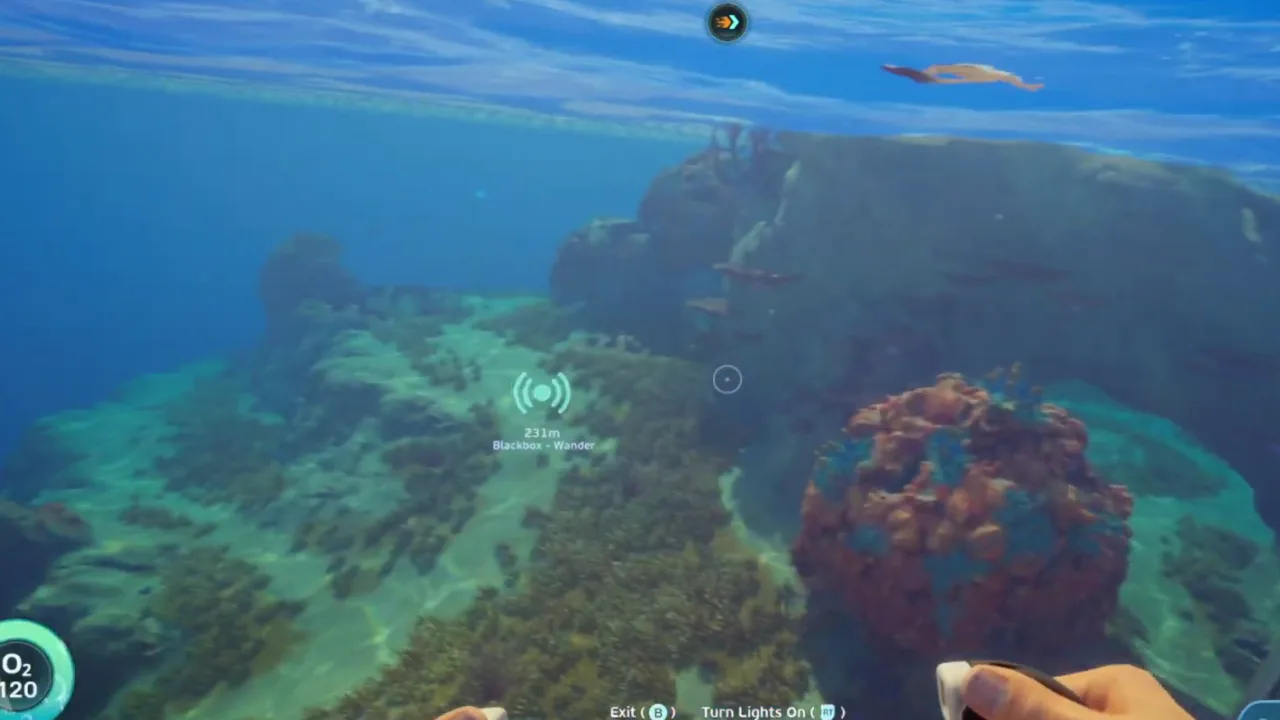 Best immediate follow-up
Oxygen and Survival Tips
Survival habits for oxygen timers, inventory pressure, food, water, and route discipline in Subnautica 2.
 Use if the route branches
Resource Priority List
Which resources to prioritize first, which to store, and which to avoid hoarding until a recipe proves they matter.
 Save for the next dive
Quartz Location Guide
Where to approach Quartz as a focused early material route, with visibility checks, node recognition, and recipe-first inventory planning.
Detailed notes
Salt supports routes, it does not replace them
Salt is valuable when it keeps a longer dive stable. It should support food, water, or recipe prep, then get out of the way so the next objective can happen.
How to use this in-game
Turn this note into one action before leaving base: decide the objective, keep only the materials or tools that support it, then stop the route once the scan, pickup, or landmark is confirmed. This keeps the guide useful even when Early Access patches move small details.
Keep the loop short
The best Salt route is boring in a useful way: easy entry, easy proof, easy return. If the route becomes dramatic, it is probably too expensive for a common survival material.
How to use this in-game
Turn this note into one action before leaving base: decide the objective, keep only the materials or tools that support it, then stop the route once the scan, pickup, or landmark is confirmed. This keeps the guide useful even when Early Access patches move small details.
Practical field read
Salt Location Guide works best when you treat it as a material or fragment route with a narrow job. Start with the loadout check: Food or water plan. Then follow the first action without adding side goals: Check whether Salt is needed for the next survival or crafting step.. The page should help you recognize the visual proof that the route is producing the right item before you risk a longer dive. If the route starts producing unrelated discoveries, bank the note and return to the original objective instead of turning one guide into a full map sweep.
Loadout check: Food or water plan
Route check: Short route
First action: Check whether Salt is needed for the next survival or crafting step.
Proof point: Salt
How to use this in-game
Turn this note into one action before leaving base: decide the objective, keep only the materials or tools that support it, then stop the route once the scan, pickup, or landmark is confirmed. This keeps the guide useful even when Early Access patches move small details.
How to turn this into the next dive
After the first proof point, decide whether the route is solved, blocked, or worth repeating. Use a short visible route instead of adding Salt to a deep objective run.. If it is solved, return and convert the result into crafting, storage, a map note, or the next related guide. If it is blocked, change only one variable: bring the missing tool, clear inventory, enter from a cleaner landmark, or wait for better oxygen and vehicle support. Collect the target count and avoid filling every slot with common materials.. Avoid the two habits that make this route feel unreliable: Treating Salt as the objective when progression needs tools or fragments.; Carrying survival materials into a route that already has tight inventory..
How to use this in-game
Turn this note into one action before leaving base: decide the objective, keep only the materials or tools that support it, then stop the route once the scan, pickup, or landmark is confirmed. This keeps the guide useful even when Early Access patches move small details.
Video route notes
Salt Location Guide should be followed as a resource route, not as a memory test. Start by watching the first route movement and naming the entry condition before copying the path in-game. Check whether Salt is needed for the next survival or crafting step. Then pause again when the video reaches the first visible proof point, because that is where the guide changes from general advice into an action you can repeat. Use a short visible route instead of adding Salt to a deep objective run. If the route starts to feel different in your build, keep the same player goal: repeat the route without relying on a perfect coordinate.
Entry check: Food or water plan
Route action: Check whether Salt is needed for the next survival or crafting step.
Proof to look for: material or fragment proof
Version note: Early Access / tracking
How to use this in-game
Turn this note into one action before leaving base: decide the objective, keep only the materials or tools that support it, then stop the route once the scan, pickup, or landmark is confirmed. This keeps the guide useful even when Early Access patches move small details.
Screenshot checkpoints
Use screenshots as checkpoints instead of decoration. The first image should answer where the route begins, the second should show what confirms progress, and the third should explain what to do after the scan, pickup, puzzle state, or threat read is visible. Collect the target count and avoid filling every slot with common materials. This is especially important in Early Access because exact positions can drift while landmarks, depth bands, room states, and player decisions stay useful. A good screenshot lets you say, "I am at the right kind of place," before you risk oxygen, storage space, or vehicle safety.
Entry frame: match the landmark before moving deeper
Proof frame: confirm material or fragment proof
Exit frame: know the return direction before adding side goals
Loadout frame: check Short route
How to use this in-game
Turn this note into one action before leaving base: decide the objective, keep only the materials or tools that support it, then stop the route once the scan, pickup, or landmark is confirmed. This keeps the guide useful even when Early Access patches move small details.
Stop rule and next dive
The most useful part of this page is the stop rule. Treating Salt as the objective when progression needs tools or fragments. Carrying survival materials into a route that already has tight inventory. When the objective is confirmed, return and convert it into progress: craft the upgrade, sort the material, save the route note, or mark the blocker as solved. If the route fails, do not repeat the same swim blindly. Change one variable at a time: enter from a clearer landmark, reduce inventory clutter, bring the missing tool, or wait until oxygen and vehicle support match the route. That turns a failed resource route into better field knowledge instead of another full-inventory wander.
How to use this in-game
Turn this note into one action before leaving base: decide the objective, keep only the materials or tools that support it, then stop the route once the scan, pickup, or landmark is confirmed. This keeps the guide useful even when Early Access patches move small details.
Common mistakes
Treating Salt as the objective when progression needs tools or fragments.
Carrying survival materials into a route that already has tight inventory.
Wasting oxygen on a common pickup after the target count is complete.
FAQ
Is this guide for the current Subnautica 2 build?
This page is written for Early Access and includes a visible update date. Treat exact values as tracking notes until the current build is field-tested.
Does this page use official screenshots?
Pages combine attributed official Steam / Unknown Worlds media, local gameplay frame captures, and source-video evidence cards. New player-submitted captures should keep the route, timestamp, and build context attached.
Community notes
Add a field report
Player reports enter a moderation queue. Approved notes can load from Supabase; pending drafts stay visible in this browser for follow-up.
Near starter shallows
Approx. 70-120m from pod
Confirm oxygen before leaving the first landmark. The route is much safer when you mark the return path before collecting side materials.
Guide-wide
N/A
Creature patrol ranges and fragment placement can shift between builds, so treat exact distances as field estimates until multiple players confirm them.